How to Prepare Passport Photos for Infants
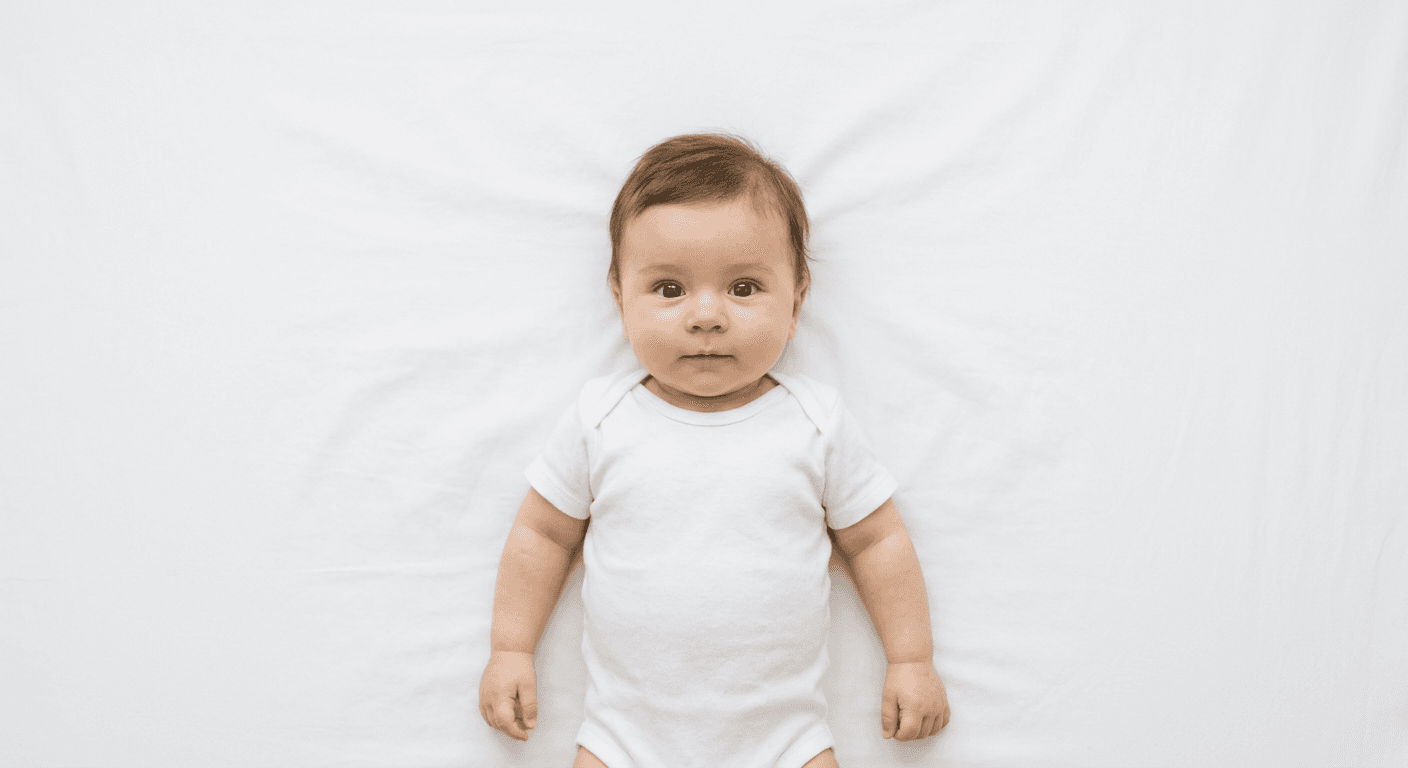
Capturing a compliant passport photo for an infant can be an exercise in patience and precision. Government agencies maintain strict infant passport photo requirements to ensure biometric accuracy and facial recognition compatibility. Unlike adults, infants have limited control over their posture, facial expression, and head movement, which makes the process challenging for parents and guardians. However, by understanding the regulatory nuances and preparing your environment accordingly, you can capture a successful image at home or in a studio.
Quick Summary
Infant passport photos must feature a neutral expression, eyes open, and a clear, unobstructed face against a plain white or off-white background. The infant must be facing the camera directly, without shadows or parent interference. Success depends on achieving proper lighting, correct sizing, and ensuring the child is the only subject in the frame.
- Position the infant flat on their back on a plain white sheet or in an approved baby seat.
- Maintain even, diffused lighting to avoid harsh shadows on the face or background.
- Ensure the child’s eyes are open and looking at the camera lens.
- Avoid any visible support, hands, or toys in the final frame.
Table of Contents
- Quick Summary
- Understanding Infant Passport Photo Requirements
- Step-by-Step Guide to Taking an Infant Passport Photo
- Passport Photo Do and Don't Rules
- Passport Picture What to Wear Tips
- Common Pitfalls and Troubleshooting
- Frequently Asked Questions
- Recommended Reads

Understanding Infant Passport Photo Requirements
Regulatory bodies across the globe, including the U.S. State Department and international counterparts, dictate that an infant's passport photo must be a professional-grade representation of the child's likeness. The most critical constraint is that the baby must be alone in the photo; no part of the parent's body—such as fingers, shoulders, or arms—is permitted to be visible in the final crop. For those struggling with these constraints, specialized passport photo help can provide guidance on software tools that assist with alignment.
Consistency in lighting and framing is non-negotiable. The background must be solid white or off-white, free of patterns, texture, or heavy shadows. Because infants cannot sit upright unaided in most cases, placing them on a clean, solid-colored surface is often the most reliable method to achieve the required head-on view. It is essential to ensure the head is not tilted too far in any direction, as this can lead to automatic rejection by facial recognition software.
Step-by-Step Guide to Taking an Infant Passport Photo
- Prepare the Environment: Choose a location with natural, indirect light, such as near a large window. Avoid direct sunlight, which causes harsh squinting and dark shadows. Place a plain white blanket or sheet on the floor if you are placing the baby on their back, or cover a car seat with a solid white fabric.
- Position the Infant: Lay the baby on their back. If you are using a car seat, ensure the white sheet covers all visible fabric of the seat. If you need professional insights on specific regional standards, check our US baby passport photo guide for detailed size and margin specifications.
- Attract Attention: Have a toy or an object just above the camera lens to capture the child’s focus. The goal is to get the infant looking directly at the camera with eyes wide open. Do not use flash, as it creates reflections in the eyes and red-eye effects.
- Capture Multiple Shots: Take several photos from a consistent distance. You will likely need to crop the images later, so ensure there is enough "buffer" space around the child’s head and shoulders to allow for standard passport photo dimensions.
- Review and Edit: Check the photos for shadows, closed eyes, or obstructed facial features. If the image is clear, use a reliable tool to ensure the sizing complies with official regulations for your specific country.
Pro Tip: Capture the photo right after the baby has finished a nap or a feeding. A well-rested, satisfied baby is much more likely to maintain a neutral expression and keep their eyes open than one who is hungry or overtired.
Passport Photo Do and Don't Rules
Navigating the passport photo do and don't list is vital for avoiding delays. Do ensure the child is facing the camera squarely. Do not include toys, pacifiers, or hats in the photo. While a neutral expression is standard for adults, it is understood that infants may have a slightly open mouth or a relaxed expression; however, a wide, gummy smile is often discouraged as it can distort facial features used in biometric identification.
One common error is the presence of shadows. Even if the child is centered, a shadow cast by the parent standing over them or an uneven light source will lead to rejection. Do not attempt to use a photo where the baby is being held by a parent, even if the parent tries to hide behind the child. The background must be completely clean.
Passport Picture What to Wear Tips
Regarding the passport picture what to wear question, the rule is to keep it simple. Avoid busy patterns, logos, or neon colors that can distract from the face. Solid, muted colors are best. Avoid headbands, oversized bows, or hats, as these are typically prohibited unless they are worn for religious reasons, in which case the face must still be entirely visible from the bottom of the chin to the top of the forehead.
Ensure that the baby’s clothing does not obscure their neck or chin. Collared shirts or outfits with heavy hoods can sometimes bunch up and cover part of the face during the photo session. If you are preparing for travel, reviewing specific country guides like the Canadian baby passport photo can help identify if there are unique clothing or accessory restrictions in your destination of choice.
Common Pitfalls and Troubleshooting
One frequent issue is the "eyes closed" problem. If your baby is prone to blinking or sleeping, keep trying during a period of high activity. Never try to edit eyes open using image-processing software; the distortion is easily detected by official reviewers, and the application will be denied. If the eyes are consistently closed, wait until the child is fully alert before attempting another session.
Another pitfall is the "background interference" issue. Many parents assume they can simply blur the background using an app, but official standards require a uniform, natural background. If you cannot find a solid white wall, a white bedsheet pulled taut (so there are no wrinkles) is the gold standard for home photography.
Frequently Asked Questions
Can I hold my baby while taking the photo? No, the baby must be the only person in the frame. Using a support like a covered car seat or lying the baby on a white sheet is the recommended approach.
What if my baby’s mouth is slightly open? A slightly open mouth is usually acceptable for infants, provided the facial features remain visible and the expression is not distorted by extreme crying or laughing.
Do I need a professional photographer? While a professional photographer can be helpful, it is not required. You can take a compliant photo at home using a high-quality camera or smartphone as long as you adhere to lighting and background requirements.
How many photos do I need? Most agencies require two identical photos, but it is wise to keep digital copies in case you need to reprint them for additional forms.