How to Take Your Own Passport Photo at Home
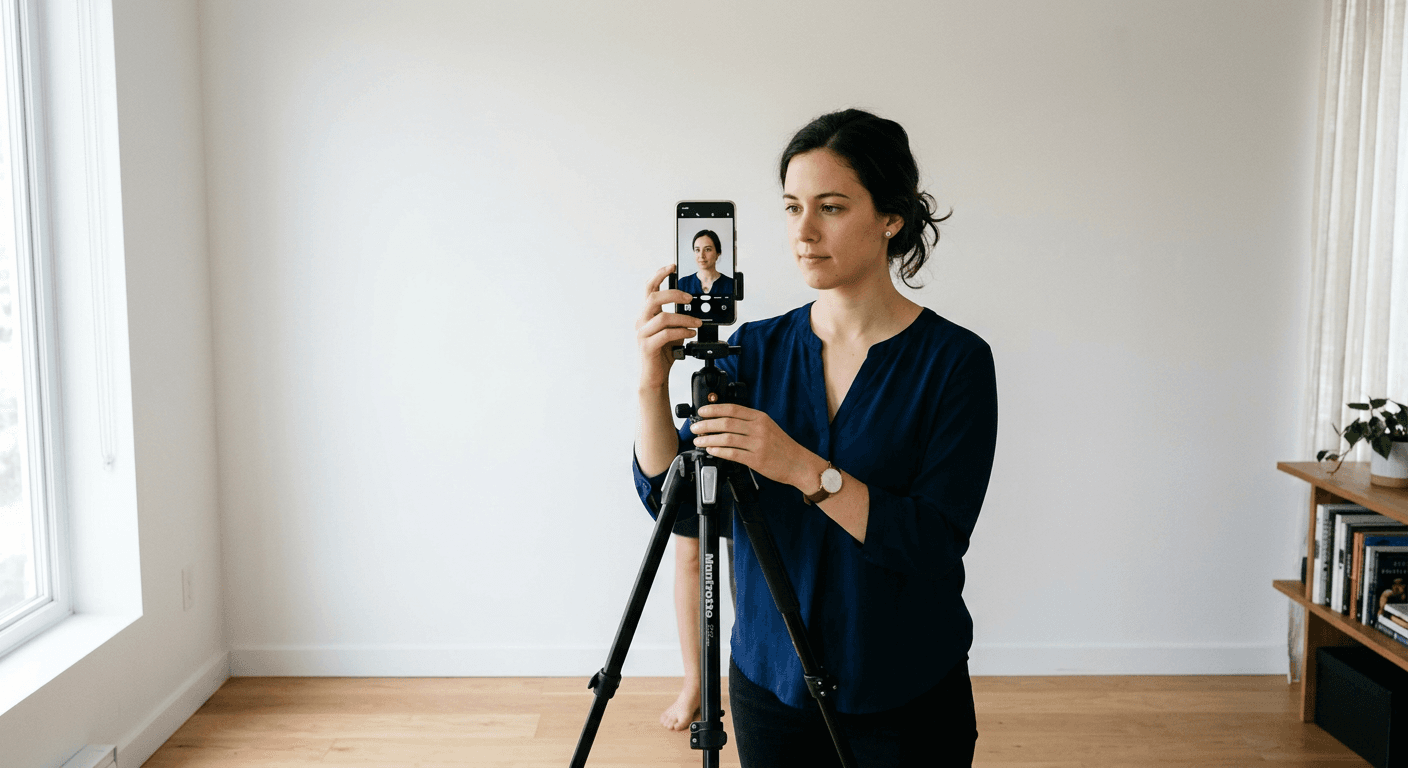
Dragging yourself to the local post office or pharmacy for a passport photo is essentially a rite of passage for the frustrated traveler. The lighting is always terrible, the queue is miles long, and you invariably end up looking like you just woke up from a decade-long nap. If you ask me, there is a much better way. Modern technology has reached a point where you can easily take your own passport photo at home without spending a dime on professional services. It is all about lighting, patience, and following the rules to the letter.
Quick Summary
Taking your own passport photo at home is a simple process that requires a high-resolution smartphone, a plain background, and consistent lighting. By following official government guidelines regarding head position, expression, and photo dimensions, you can capture a compliant, professional-quality image from the comfort of your living room.
- Find a blank, light-colored wall for your backdrop.
- Use natural light from a window facing you.
- Ensure your shoulders are level and your expression is neutral.
- Avoid shadows by standing a few feet away from the wall.
Table of Contents
- Getting the Lighting Right
- Perfecting Your Passport Photo Selfie
- Technical Requirements for Your Passport Photo
- Common Mistakes to Avoid
- FAQ
- Recommended Reads

Getting the Lighting Right
Good lighting is the difference between a government-approved image and a flat-out rejection. Honestly, I believe most people fail because they try to use a ceiling light, which casts ghastly shadows under the eyes and chin. Think of your face like a canvas; you want even illumination, not a theatrical stage effect.
Using Natural Light
Position yourself directly in front of a window during the day. Do not stand behind the light source, or you will end up looking like a silhouette in a witness protection program. Natural light is soft, flattering, and usually the best way to ensure your passport photo with phone hardware records accurate skin tones. If the light is too harsh, pull a thin white curtain over the window to diffuse it. It makes a world of difference.
Perfecting Your Passport Photo Selfie
Here is a hot take: the word "selfie" usually implies a weird arm angle, but for official documents, you need to abandon that habit. A true passport photo selfie should actually look like a portrait. Use a tripod if you have one, or stack a few books to get your phone at eye level.
Positioning Your Phone
When you take passport photo on phone, try to use the rear camera instead of the front-facing one. The rear lens offers significantly higher resolution and less distortion. Ask a friend to snap the photo for you to ensure you are perfectly centered. If you are solo, set a ten-second timer on your camera app - this gives you plenty of time to step back and strike a neutral pose.
Technical Requirements for Your Passport Photo
Governments are notoriously picky about technical specs. If you decide to take your own passport photo, you need to pay attention to the fine print. The background must be plain white or off-white. No posters, no floral wallpaper, no cat trees in the background. Just a flat surface.
Dimensions and Formatting
Your head must occupy a specific percentage of the frame. Most countries require your face to be centered and looking directly at the lens. Don't tilt your head to be cute; keep it square. If you are worried about the specific dimensions for different regions, it is worth checking the online guide to ensure you aren't guessing at the requirements.
Common Mistakes to Avoid
Have you ever wondered why your application gets sent back? It is usually something silly. People love to wear glasses, but most passport agencies require you to remove them to avoid glare. Keep your expression neutral. No smiling, no smirking, just a relaxed face. Think of how you look when you're waiting for the bus; that is the vibe. Also, avoid wearing white shirts if your background is white, or you will disappear into the abyss.
FAQ
Can I use a filter on my photo?
Absolutely not. Any digital alteration, including skin smoothing or filters, will result in an immediate rejection.
Should I wear specific clothing?
Wear your everyday clothes, but avoid uniforms or anything that looks like camouflage.
How far away should I stand from the camera?
Stand about four to five feet from the camera to avoid facial distortion caused by wide-angle lenses.