Passport Photo Examples: 7 Acceptable Infant Samples for 2026
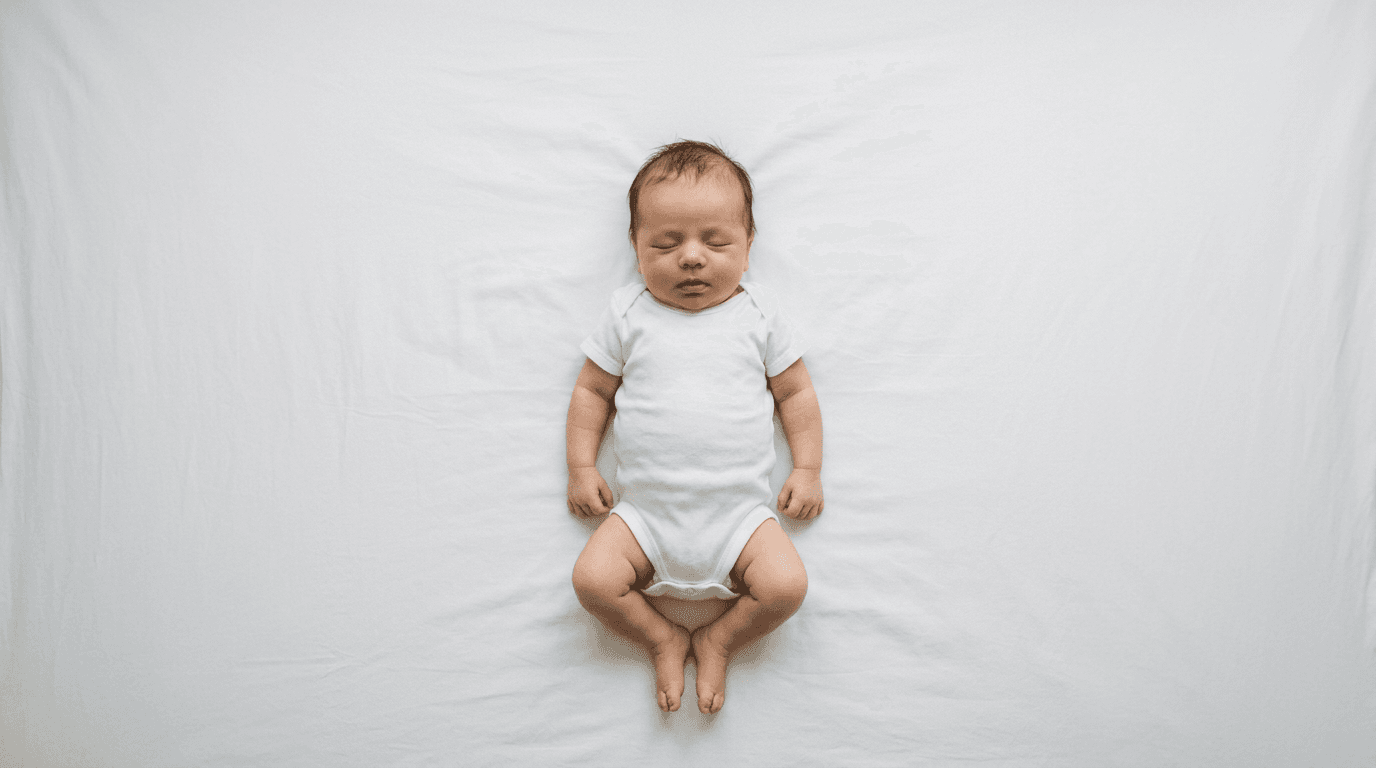
Infant passport photos are the single most frequently rejected travel document submission worldwide. Government biometric standards were designed to map adult facial structures in controlled, artificially lit environments, yet parents are expected to apply those identical geometric rules to unpredictable, moving infants. To understand what actually passes verification, you must evaluate past passport photo examples against three unbending criteria: facial isolation, shadow elimination, and backdrop uniformity. A compliant image is not merely a good picture of your child; it is a clinical scan stripped of context, accessories, and emotion.
Quick Summary
A compliant biometric image requires precise facial centering, flat illumination, and a uniform backdrop to pass government processing software. While adults easily conform to these standards, applying them to infants requires specific capture techniques to avoid automated rejection.
- Head measurements must precisely align between 1 and 1 3/8 inches.
- Backgrounds must be entirely free of wrinkles, shadows, or parental hands.
- Lighting must be diffused from multiple sources to eliminate depth shadows.
- Accessories, including pacifiers and headbands, guarantee an immediate failure.
Table of Contents
- 1. Passport Photo Examples: Perfectly Centered
- 2. Even Illumination Without Shadows
- 3. The Plain White Backdrop
- 4. Eye Visibility and Off-Axis Gaze
- 5. Neutral Facial Expressions
- 6. Zero Accessories or Supporting Hands
- 7. High-Resolution Digital Output
- Choosing the Right Approach for Your Infant
- FAQ
- Recommended Reads
1. Passport Photo Examples: Perfectly Centered
Government sizing requirements dictate that a subject's head must occupy a specific mathematical percentage of the physical frame. When reviewing official us passport photo examples, the rigid framing standards become obvious. On a printed 2-by-2-inch square, the distance from the bottom of the infant's chin to the top of their head must measure exactly between 1 inch and 1 3/8 inches. Additionally, the vertical centerline of the image must perfectly intersect the bridge of the nose. This framing is specifically designed for automated digital cropping at the processing center. If the head is too large, the cropping software clips the ears or chin. If the head is too small, the scanner cannot locate the necessary biometric anchor points around the eyes.

Strict Alignment, Zero Tilt
Infants often lack cervical muscle control to hold their heads entirely upright. This is particularly true under six months of age. Achieving this geometry in a seated position frequently fails. When a baby slumps, their chin drops to their chest. The neck becomes entirely obscured. This throws the vertical axis off balance. Their shoulders become uneven. The parent capturing the photo inevitably tilts the camera angle downward to compensate. This captures too much of the top of the head and obscures the jawline.
The honest limitation of this alignment requirement is that attempting to seat a newborn upright ruins the geometry from the start. Parents attempting this approach waste hours fighting gravity. The reliable alternative is to eliminate the vertical challenge entirely. By laying the infant flat on their back and shooting directly from above, you ensure the chin rests at a 90-degree angle to the neck. For exact measurement guidance and visual templates, consult a definitive United States baby passport photo guide.
2. Even Illumination Without Shadows
Biometric recognition systems read facial topography by mapping contrast. Any shadow created by external lighting is interpreted by the automated software as a physical deformity or an unrecognizable facial contour. The mechanism required here is flat, diffused illumination hitting the subject from multiple angles simultaneously. This fills in the deep shadows naturally found in the eye sockets, under the nose, and below the infant's chin, creating an image devoid of dramatic lighting.
Flat Contrast, Missing Definition
Using a smartphone flash in a dark room creates a harsh, black drop-shadow directly behind the infant's head onto the background, which triggers an automatic rejection for background clutter. Conversely, placing a baby directly next to a single bright window creates heavy, dramatic shadows on the unlit side of the face.
Practical rule: Never use an active flash when capturing biometric documents. Rely entirely on ambient, indirect daylight.
This lighting requirement becomes unmanageable if you lack a secondary light source. Relying on a single window usually falls short because it only illuminates half the face. The method falls apart if you cannot balance the contrast. You must redirect the window light by placing a white reflector - such as a piece of poster board - on the shadowed side of the baby to bounce the light back onto their cheek. Without balanced contrast, the image will be flagged for poor visibility, regardless of how well the subject is centered.
3. The Plain White Backdrop
A textureless, bright backdrop allows the government's digital processing software to mathematically separate the subject's silhouette from the environment. The physical mechanism required is strict uniform color: the background must be pure white or slightly off-white, entirely free of gradients, patterns, or creases. If you examine acceptable passport photo examples from successful applications, the background is completely devoid of environmental clues, resembling a blank digital canvas rather than a physical room.
Complete Isolation, No Context
The standard at-home approach - draping a white bedsheet over a car seat or laying it flat on the living room floor - frequently introduces failure modes. When you lay a baby on a cotton sheet, the fabric inevitably gathers and wrinkles under their weight. These small physical folds cast micro-shadows that biometric scanners interpret as foreign objects in the background.
This manual backdrop method stops being effective the moment the infant begins squirming, as their movement bunches the fabric further. If you cannot secure a heavy, wrinkle-free material like thick matte poster board or uncreased butcher paper immediately behind the child, capturing a physically perfect background is nearly impossible. In these scenarios, capturing the subject clearly against a relatively plain wall and utilizing algorithmic background removal is the only reliable way to achieve the required isolation. For differing international background tint rules, such as those detailed in the United Kingdom baby passport photo guide, verify whether light gray or cream is permitted before capturing.
4. Eye Visibility and Off-Axis Gaze
The physical distance between the pupils anchors the entire facial recognition map. For the scanner to register this anchor, the subject must look directly into the camera lens with clear, unobstructed visibility of the iris and pupil. Many examples of good passport photos highlight exactly how the eyes must lock forward, with zero red-eye, zero glare, and both eyes perfectly level on a horizontal plane.
Direct Engagement, Zero Obstruction
While the US Department of State explicitly notes that newborns are not strictly required to have their eyes fully open, older infants and toddlers do not receive this exemption. A closed eye on a six-month-old guarantees a rejection letter. The most common mechanical failure here occurs when a parent attempts to get the child's attention by shaking a toy slightly above or beside the smartphone.
This well-intentioned tactic causes the child's gaze to drift off-axis. If the baby is looking at the toy rather than dead center down the barrel of the camera lens, the facial geometry is skewed, rendering the pupillary distance unreadable. Enforcing a direct gaze fundamentally requires absolute patience, since you cannot reason with an infant or force them to stare at a featureless glass lens. You must capture rapid bursts of images exactly when their eyes naturally cross the center plane, discarding the dozens of off-axis attempts.
5. Neutral Facial Expressions
Facial recognition software operates by calculating the resting distances between the eyes, nose, and mouth. An exaggerated emotional expression physically alters these baseline measurements. A wide smile pulls the cheeks upward, narrowing the eyes and expanding the mouth horizontally. The requirement is a closed mouth and a relaxed, entirely neutral expression.
Resting Geometry, No Animation
Infants naturally default to expressing their immediate physical state - whether that is discomfort, confusion, or joy. Crying open-mouths or massive toothless grins fundamentally alter the measurable facial landmarks. While government processing agencies allow minor leeway for very young infants who cannot voluntarily hold their mouths completely shut, a wide-open wail or a visible tongue sticking out will ruin the capture and trigger a rejection.
Mandating a neutral biometric expression clashes directly with your total lack of control over the subject's emotional state. You cannot ask a baby to stop crying or ask a toddler to pause their smile. Attempting to force the capture during a fussy period guarantees failure. This rule dictates your timing rather than your technique: captures must be attempted precisely when the child is calm, well-fed, and slightly fatigued, resulting in a naturally resting facial posture. For a comprehensive overview of varying international leniency regarding infant expressions, check general US & international baby passport photo requirements.
6. Zero Accessories or Supporting Hands
Biometric captures forbid anything that obstructs the natural contours of the face, jawline, or head. The mechanism is complete physical removal: glasses must be taken off to prevent lens glare, and pacifiers must be removed because they obscure the mouth and jaw completely. Headbands, oversized bows, and hats hide the hairline and ears. A valid passport picture sample will show the subject entirely stripped of comfort objects, headwear, and physical support.
Complete Subject Isolation, No Exceptions
Removing a pacifier often triggers immediate crying, forcing you to break the neutral expression rule discussed above. Taking off a comforting hat or familiar headband frequently upsets the child. More critically, parents attempting to steady a wobbling infant often reach into the frame instinctively to prop up their shoulders. Even a single parental knuckle or fingertip visible on the child's clothing constitutes an accessory obstruction and results in an automatic, unappealable rejection.
Practical rule: Never let your hands enter the frame to adjust the infant while the camera is active. Secure their position beforehand, pull your hands away entirely, and only then begin capturing images.
This strict isolation standard means parents who cannot get their infant to sit entirely unsupported must abandon the seated position entirely. You cannot cheat the rule by hiding your hands under their shirt or holding them from behind, as the shifting of their clothing will reveal the physical support to the processing software.
7. High-Resolution Digital Output
The physical and digital integrity of the final file determines its viability at the processing center. The image must be printed at a minimum density of 300 pixels per inch (DPI) on glossy or matte photo-quality paper. If the file is digitally compressed or physically printed on the wrong medium, the digital edge details - specifically where the face meets the background - become pixelated and fail the software scan.
Flawless Fidelity, Fragile Formatting
A frequent failure mode occurs during file transfer. Sending a perfectly compliant photo from your phone to a local pharmacy printer via a standard text message automatically compresses the file size, dropping the resolution far below biometric standards. Alternatively, printing the image on standard office copy paper causes the liquid ink to bleed, softening the sharp edges of the facial features.
This final hurdle is where many flawless captures are ruined. The digital file must be preserved in its original, uncompressed resolution and physically printed using thermal dye sublimation or professional inkjet photo paper. If your digital transfer process degrades the image quality, the compliance of the lighting and centering is entirely wasted. Understanding the rigid parameters required to avoid a failure at this stage makes a 100% refund policy highly valuable when evaluating digital processing and formatting services.
Choosing the Right Approach for Your Infant
Matching the capture method to your child's specific developmental stage dictates your success rate. If your primary bottleneck is physical stability because your newborn cannot hold their head up, skip any attempt at seated photography. Laying them flat on a rigid, white poster board on the floor entirely solves the slumping issue, perfects the head geometry, and entirely removes parental hands from the frame.
If your limitation is ambient lighting - perhaps you live in a space with poor natural light - abandon the attempt to balance harsh indoor bulbs. Move the process to the brightest room in the middle of the day, place the infant near the largest window, and accept that you may need algorithmic processing to correct minor shadow gradients later. Finally, if you are struggling with a toddler who refuses to look at the lens, abandon the single-shot approach entirely. Switch to a rapid-burst capture method, holding a silent, brightly colored object directly adjacent to the camera lens to draw their eyeline exactly where the government scanner needs it to be.
FAQ
Can I hold my baby during the passport photo capture? No. Parental hands, arms, or fingers visible anywhere in the frame will result in an automatic rejection. The child must appear entirely unsupported. If they cannot sit up, they must be laid flat on their back.
Are infants allowed to have their eyes closed in the photo? The US Department of State permits newborns to have their eyes partially or completely closed if they are asleep. However, older infants and toddlers are required to have their eyes open and facing the camera lens.
Can I use a car seat covered with a white sheet for the background? While you can use a car seat for structural support, the white sheet must be pulled completely taut. Any visible wrinkles, folds, or shadows cast by the seat's side-impact wings will cause the image to fail the background clutter check.
What happens if my baby's mouth is open? While slight allowances are made for very young infants who cannot control their facial muscles, a wide-open crying mouth drastically alters the facial geometry and typically results in a rejected application.