Passport Photo Requirements for German and European Visas
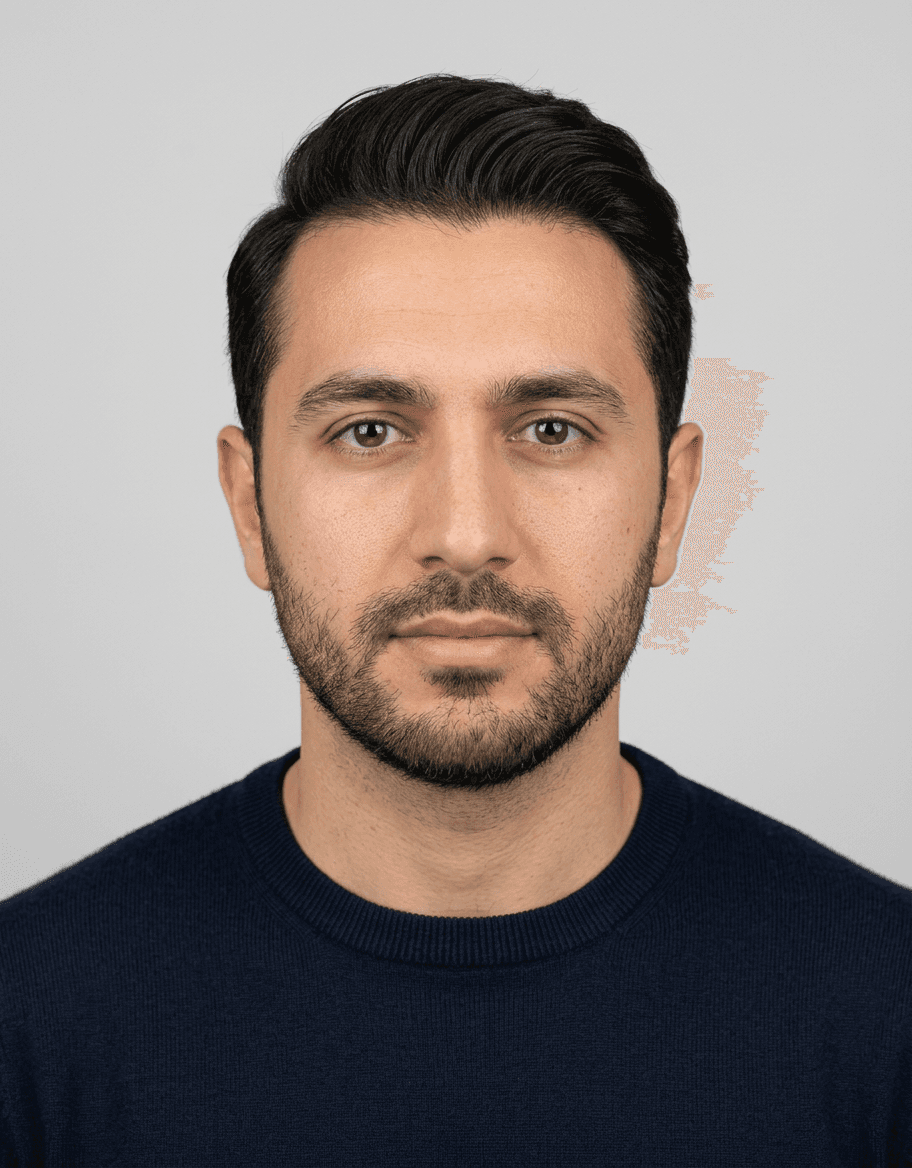
Navigating the specific regulatory landscape for international travel documentation requires strict adherence to standardized biometric guidelines. When preparing your application, understanding the nuances of the german passport photo requirements is essential, as even minor deviations in lighting, expression, or dimension can lead to immediate rejection by consular authorities.
Quick Summary
German and European visa authorities mandate biometric-compliant photographs that strictly adhere to International Civil Aviation Organization (ICAO) standards. These requirements emphasize facial symmetry, neutral expression, and specific dimensions to ensure the integrity of automated identity verification systems used across the Schengen Area.
- Standard size is 35mm by 45mm.
- Neutral facial expression with closed mouth is mandatory.
- Uniform, light-gray or white background is required.
- Head position must be centered with direct gaze at the camera.
Table of Contents
- Understanding German Passport Photo Requirements
- Technical Specifications for German Passport Photo Size
- Biometric Standards for Europe Passport Size Photo
- Comparison of Italy Passport Photo Requirements and German Standards
- Common Pitfalls and How to Avoid Them
- FAQ
- Recommended Reads

Understanding German Passport Photo Requirements
Germany maintains a rigorous approach to identification documents, rooted in the necessity for high-quality facial recognition data. The German Federal Police and consulate offices require applicants to submit photos that are no older than six months. This ensures that the submitted image remains a true representation of the applicant's current appearance, minimizing risks during border crossings.
Unlike casual photography, these portraits must be captured in professional lighting to avoid shadows on the face or background. Any obstruction, such as thick-rimmed glasses or headwear, is typically prohibited unless required for religious or medical reasons, in which case the entire facial structure must remain clearly visible. If you are preparing documentation for family members, you can find specific guidance on germany baby passport photo to ensure infants meet these same high standards.
Technical Specifications for German Passport Photo Size
The standard german passport photo size is precisely 35mm in width by 45mm in height. These dimensions are not merely suggestions; they are hard constraints. The face must occupy a specific portion of the frame, typically between 32mm and 36mm from the bottom of the chin to the top of the hair. This leaves a small but essential buffer space at the top of the photo.
When cropping your images, ensure that the head is perfectly centered. The background must be neutral, typically a light-gray or white backdrop, devoid of any patterns, textures, or shadows. Professional photo services often utilize specialized equipment to ensure that the lighting is distributed evenly across the subject's face, preventing the "hot spots" or deep shadows that commonly result in rejected applications.
Biometric Standards for Europe Passport Size Photo
While specific countries may have minor variations, the general european passport photo size is largely harmonized under the ICAO standard 9303. This standardization allows for interoperability between different biometric databases across the Schengen Area. The primary goal is to provide a clear, high-contrast image that allows automated systems to map facial landmarks like the distance between the eyes, the bridge of the nose, and the contour of the jaw.
Pro Tip: When taking your photo, avoid smiling. Keep your mouth closed and your expression neutral. Any sign of teeth or an open mouth disrupts the facial geometry and is the most common reason for automated rejection in European visa processing.
For those traveling across borders frequently, maintaining a high-quality master copy of a biometric-compliant photo is useful. If you have questions regarding the nuances of these international standards, our guide provides comprehensive details on how to format your images correctly for various international travel authorities.
Comparison of Italy Passport Photo Requirements and German Standards
When comparing the italy passport photo requirements with German regulations, you will find that both rely heavily on the overarching EU standards. Both nations require the 35mm x 45mm format, and both emphasize the importance of neutral expressions. However, Italian authorities may sometimes be more stringent regarding the exact color balance of the print, requiring high-resolution paper that prevents ink bleeding.
In both contexts, the head should take up roughly 70-80% of the image height. Discrepancies often arise when applicants use consumer-grade printers that cannot achieve the necessary DPI (dots per inch) for biometric scanners to process correctly. Always use high-quality photo paper and ensure the image is not grainy or compressed.
Common Pitfalls and How to Avoid Them
Even experienced travelers often overlook seemingly minor details that lead to a rejected visa application. The most frequent issue is the presence of reflections in glasses. If your glasses create even a slight glare, remove them for the photo. Another common mistake is the "tilt" of the head. Even a slight angle can confuse software that expects absolute symmetry.
Lastly, ensure the lighting is front-facing. A common mistake is using a light source from the side, which casts a shadow on the opposite side of the face. This shadow can be misread by biometric software as a feature of the face, leading to a mismatch in identity verification. Always ensure the light source is balanced or utilize a softbox to diffuse the light.
FAQ
- Can I wear glasses for my German passport photo? Yes, but they must not cause glare on the lenses, and they must not obscure your eyes in any way.
- Is a digital file sufficient for my visa application? Most embassies and visa centers still require physical, printed copies on high-quality photo paper, though some are moving toward digital uploads.
- What happens if my photo is rejected? You will typically be asked to submit a new, compliant photo, which can delay your visa processing time significantly.
- Do I need a professional photographer? While not strictly required, using a professional service is recommended to ensure you meet all biometric requirements without the risk of manual errors.