Passport Photo Size Guide for US Visa Applications
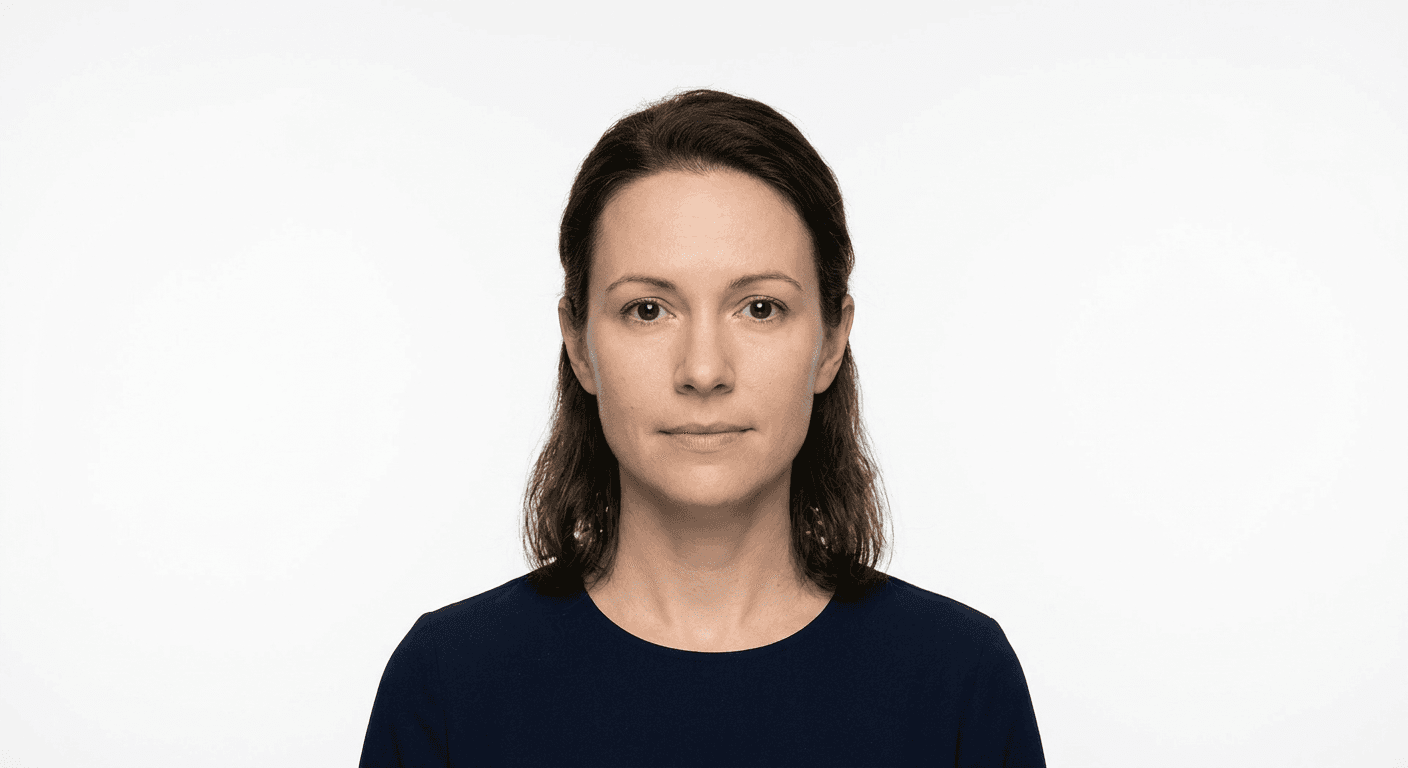
Navigating the requirements for your travel documentation can be stressful, but understanding the precise us visa passport photo size is a critical step in ensuring your application is processed without unnecessary delays. While many applicants focus heavily on their forms and financial records, a non-compliant image is one of the most common reasons for immediate rejection or administrative processing holds.
Quick Summary
The standard us visa passport photo size is 2 inches by 2 inches (51 mm x 51 mm), with the head occupying a specific vertical proportion of the frame. This square format is strictly enforced for all digital and physical submissions, ensuring biometric compatibility across all Department of State systems.
- Dimensions: 2x2 inches (51x51 mm).
- Head size: 1 inch to 1 3/8 inches (25-35 mm) from the chin to the top of the head.
- Background: Plain white or off-white backdrop.
- Recency: Must have been taken within the last 6 months.
Table of Contents
- Standard Dimensions and Specifications
- Composition and Framing Rules
- Quality and Technical Requirements
- Common Mistakes to Avoid
- Comparative Analysis of Visa Photos
- Practical Tips for Success
- Frequently Asked Questions
- Recommended Reads

Standard Dimensions and Specifications
When preparing a passport photo for visa applications, the primary rule is the square format. You must provide a color photograph that is exactly 2 inches by 2 inches (51 mm by 51 mm) in size. This square dimension is non-negotiable; even a slight deviation in the aspect ratio can lead to the automated rejection of your uploaded file or the return of your hard-copy application.
For those needing guidance on specific demographics, many users find it helpful to consult a US baby passport photo guide to understand how these rigid dimensions apply to infants and children who cannot sit perfectly still. The consistency required for a standard visa passport size photo is designed to facilitate facial recognition software, meaning the photo must be clear, high-resolution, and perfectly square.
Composition and Framing Rules
Beyond the total size, the positioning of the subject is strictly regulated. The head must be centered within the frame, with the chin to top-of-head measurement falling between 1 inch and 1 3/8 inches (25 mm to 35 mm). This ensures that the face occupies approximately 50 to 70 percent of the total image area, providing enough detail for biometric verification while maintaining adequate space around the subject.
Additionally, your eyes must be at a height between 1 1/8 inches and 1 3/8 inches (28 mm to 35 mm) from the bottom of the photo. Maintaining this vertical alignment is crucial for automated systems to scan your features correctly. You should maintain a neutral facial expression or a natural smile, with both eyes open and looking directly at the camera. If you are preparing for international travel, it is useful to compare these requirements with a UK baby passport photo to see how different nations prioritize specific facial metrics.
Quality and Technical Requirements
The technical integrity of the image is just as vital as its dimensions. The photo must be in color, printed on matte or glossy photo-quality paper, and feature a uniform, plain white or off-white background with no shadows. Shadows on your face or the background are major causes for rejection, as they interfere with the machine-learning algorithms used by immigration authorities.
Lighting should be even across the face, with no heavy highlights or dark patches. If you wear glasses, the current policy mandates that they be removed for all visa photos. This prevents lens glare and frame obstruction, which are common issues in digital captures. Ensuring high image resolution without digital manipulation or filters is essential; the photo should look exactly like you as you appear today, reflecting your current appearance.
Common Mistakes to Avoid
Many applicants fail because they attempt to use a selfie or a cropped vacation photo. Avoid any image that contains other people in the background, busy textures, or objects like chair backs. Similarly, do not wear head coverings unless they are for religious purposes, and even then, your facial features from the bottom of your chin to the top of your forehead must be clearly visible without shadows cast by the covering.
Another frequent error is the use of image editing software to resize a rectangular photo into a square one, which leads to unwanted distortion or stretching of the subject’s face. Always capture the original shot with the intention of a square composition. For those navigating the complexities of international applications, checking a Canada baby passport photo resource can provide insight into how strict these framing rules are across different global jurisdictions.
Comparative Analysis of Visa Photos
| Feature | US Visa Requirement | Global Standard (ICAO) |
|---|---|---|
| Size | 2 x 2 inches | 35 x 45 mm (usually) |
| Background | Plain White | Plain/Light Grey or White |
| Glasses | Not allowed | Discouraged/Not allowed |
| Head Position | Centered | Centered |
Practical Tips for Success
Pro Tip: Set up your lighting in a room with a large, north-facing window during the day to achieve diffuse, shadowless light. Avoid using your camera's flash, which often creates harsh 'red-eye' effects or bright reflections on the skin.
When taking the photo, ensure your shoulders are squared toward the camera. If you are struggling with the process, you may want to contact professional support services to verify your image before you submit it. Remember that your photo is your primary identity anchor in the visa database, so prioritize clarity and strict adherence to the dimensions over artistic composition.
Frequently Asked Questions
Can I use a digital photo that I took at home?
Yes, as long as it meets all the strict requirements for lighting, background, and head proportions. Many people find that using a controlled home environment is easier than finding a retail location that understands specific US visa constraints.
Are glasses allowed in my visa photo?
No, you must remove your glasses for the photo. Even if you wear them daily, the Department of State requires their removal to ensure there is no glare or frame obstruction on your eyes.
What happens if my photo does not meet the requirements?
Your visa application will likely be delayed or rejected. You will receive a notice to provide a new, compliant photograph, which adds significant time to the processing window.
Can I smile in my visa photo?
Yes, a natural smile is allowed, provided your eyes are open and your face is not obscured. Do not use an exaggerated, open-mouthed, or toothy grin.