Passport Photo What To Wear: A Complete Compliance Guide
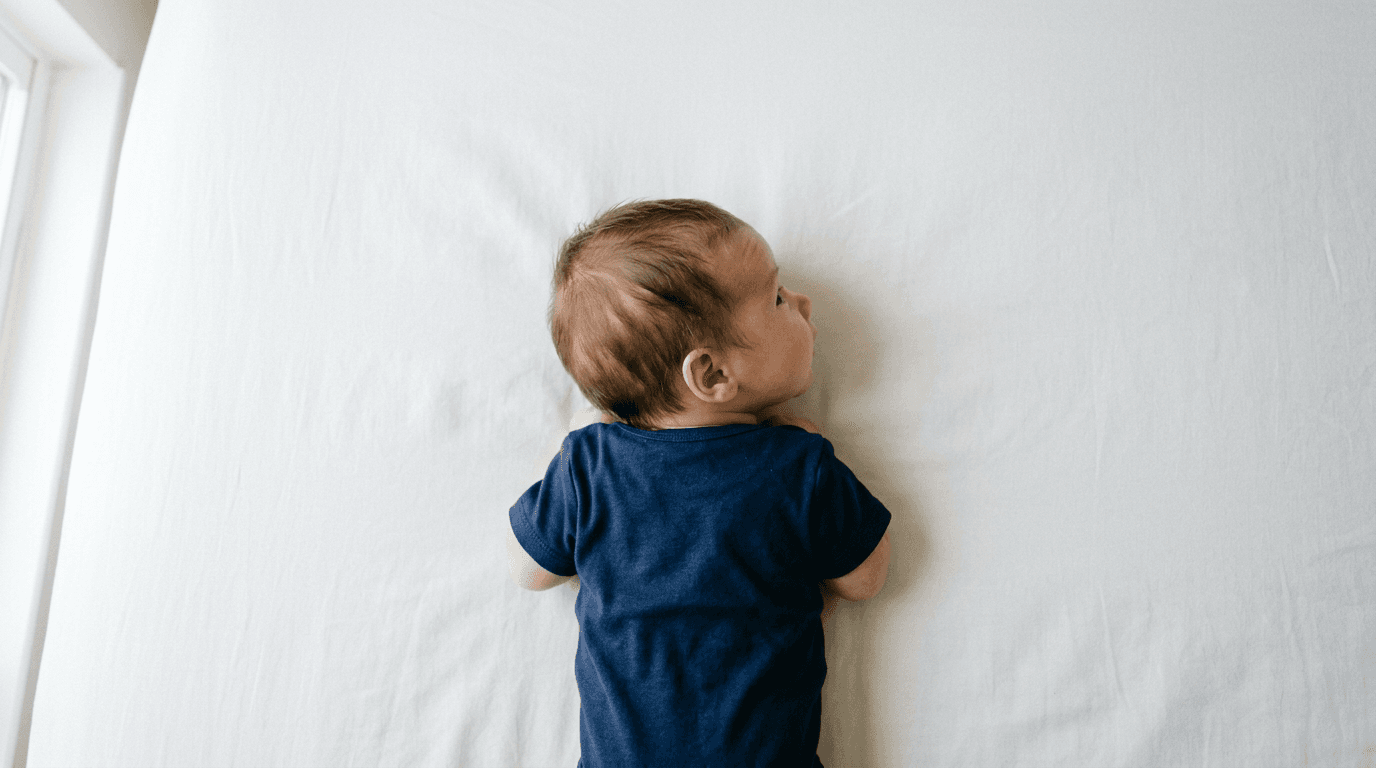
A baby's passport photo is often the last hurdle between you and an international flight. You have the forms, you have the birth certificate, and then a government clerk points out that the white onesie blends into the background, invalidating the application. Getting a compliant passport photo for an infant isn't just about capturing a neutral expression; it is entirely dependent on the physical presentation of the subject against the required backdrop.
Quick Summary
This guide details exactly how to dress and prepare an infant for a passport photo to ensure strict government compliance. It covers background contrast, head positioning, and common accessory mistakes that trigger automatic rejections.
- Never dress an infant in a white shirt against a white background.
- Remove all accessories, including bows, pacifiers, and glasses.
- Ensure both ears are visible to meet biometric standards.
- Keep hands and parental supports entirely out of the frame.
Table of Contents
- 1. Choose High-Contrast Clothing
- 2. Manage Hair and Ears
- 3. Remove All Accessories
- 4. Control the Hands and Supports
- Common Pitfalls & Troubleshooting
- FAQ
- Recommended Reads
1. Choose High-Contrast Clothing
The fundamental rule of biometric photography is separation between the subject and the background. The vast majority of international passport standards require a plain white or off-white background. If you dress an infant in a passport photo white shirt, the AI systems used by passport agencies cannot detect the outline of the shoulders, leading to an immediate rejection.

The mechanics here are simple: edge detection. Passport scanning software needs to identify the subject's silhouette. When white clothing meets a white background, that edge disappears.
Practical rule: Dress the child in dark, solid colors like navy, maroon, or forest green to create a sharp contrast against a white background.
Avoid complex patterns or clothing with large logos, as these can confuse scanning algorithms or be deemed distracting. The focus must remain entirely on the infant's face. If you are photographing a newborn, lay them on a white sheet, but ensure their clothing is distinctly colored. For older infants sitting up, a solid-colored top is sufficient.
2. Manage Hair and Ears
Biometric systems measure the distance between specific facial landmarks, including the eyes, nose, mouth, and edges of the face. The passport photo rules ears dictate that the full facial structure must be visible.
While strict visibility of both ears is not an absolute requirement in every single country (the US Department of State, for example, focuses primarily on the full face being visible), obscuring the sides of the face with hair or accessories is a fast track to rejection. Hair must not cast shadows on the face or cover the eyebrows or eyes.
The most common mistake parents make is trying to style an infant's hair in a way that falls across the forehead or cheeks.
To ensure compliance, gently brush the infant's hair back from their face. If the hair is long, tuck it behind the ears. This guarantees that the edges of the face are clearly defined, allowing the biometric software to take accurate measurements. When considering passport pictures what to wear, remember that hair styling is just as critical as the clothing.
3. Remove All Accessories
Accessories are the enemy of biometric photos. They alter the facial silhouette, introduce unpredictable shadows, and can obscure essential facial features.
When parents ask about a passport photo with or without glasses, the answer is universally without. Even if an infant wears prescription glasses, they must be removed for the photo to prevent glare on the lenses or the frames obscuring the eyes.
The mechanics of this failure involve light reflection. Studio lighting or camera flashes often bounce off glasses, creating a glare that hides the pupil. Biometric systems require a clear view of the iris and pupil.
Furthermore, all bows, headbands, hats, and pacifiers must be removed. These items distort the natural shape of the head and face. The only exception is headgear worn for religious or medical purposes, which requires an accompanying signed statement and must not cast shadows on the face.
4. Control the Hands and Supports
Photographing an infant often requires physical support, especially for newborns who cannot hold their heads up. However, the cardinal rule is that no other person, or part of another person, can be visible in the frame.
Parents often make the mistake of holding the child from behind, allowing their own fingers or a supporting arm to creep into the shot. Passport agencies will reject any photo showing parental hands supporting the infant's head or torso.
To avoid this, lay a newborn flat on their back on a white blanket or sheet. If shooting from above, ensure your shadow does not fall across the baby. For infants who can sit in a car seat, drape a plain white sheet over the seat first. Ensure the infant's own hands are resting down and not covering their face or chin.
Common Pitfalls & Troubleshooting
Even with the right clothing, environmental factors can ruin a passport photo. Here are the most common failures that look identical from the outside but require different fixes:
- The Washed-Out Subject: The photo looks overly bright, and the infant's features are indistinct.
- Symptom: The face lacks contrast, and the background is blindingly white.
- Fix: You have overexposed the image. Move away from direct, harsh sunlight and use diffused, indirect natural light.
- The Blending Shoulders: The infant appears as a floating head.
- Symptom: The clothing matches the background too closely.
- Fix: This is the most common real cause of rejection. Change the infant into a dark, solid-colored shirt to create necessary contrast.
- The Shadowed Face: Dark areas obscure the eyes or cheeks.
- Symptom: Uneven lighting across the face.
- Fix: Reposition the infant so the light source is directly in front of them, not off to one side.
FAQ
Can my baby wear a white shirt for their passport photo?
No. A white shirt will blend into the required white background, making the shoulders invisible and causing an automatic rejection by biometric scanners.
Do both ears need to be visible in a baby passport photo?
While not strictly mandated by every country, tucking hair back to show the ears ensures the full facial silhouette is visible, which is a universal requirement.
Can my infant wear a pacifier during the photo?
Absolutely not. Pacifiers obscure the mouth and alter the facial structure, leading to immediate rejection.
How do I support my newborn without getting my hands in the photo?
Lay the newborn on their back on a plain white sheet or blanket and take the photo from above, ensuring your shadow does not fall on them.