Professional Passport Photos: 5 Retail and Digital Services Compared
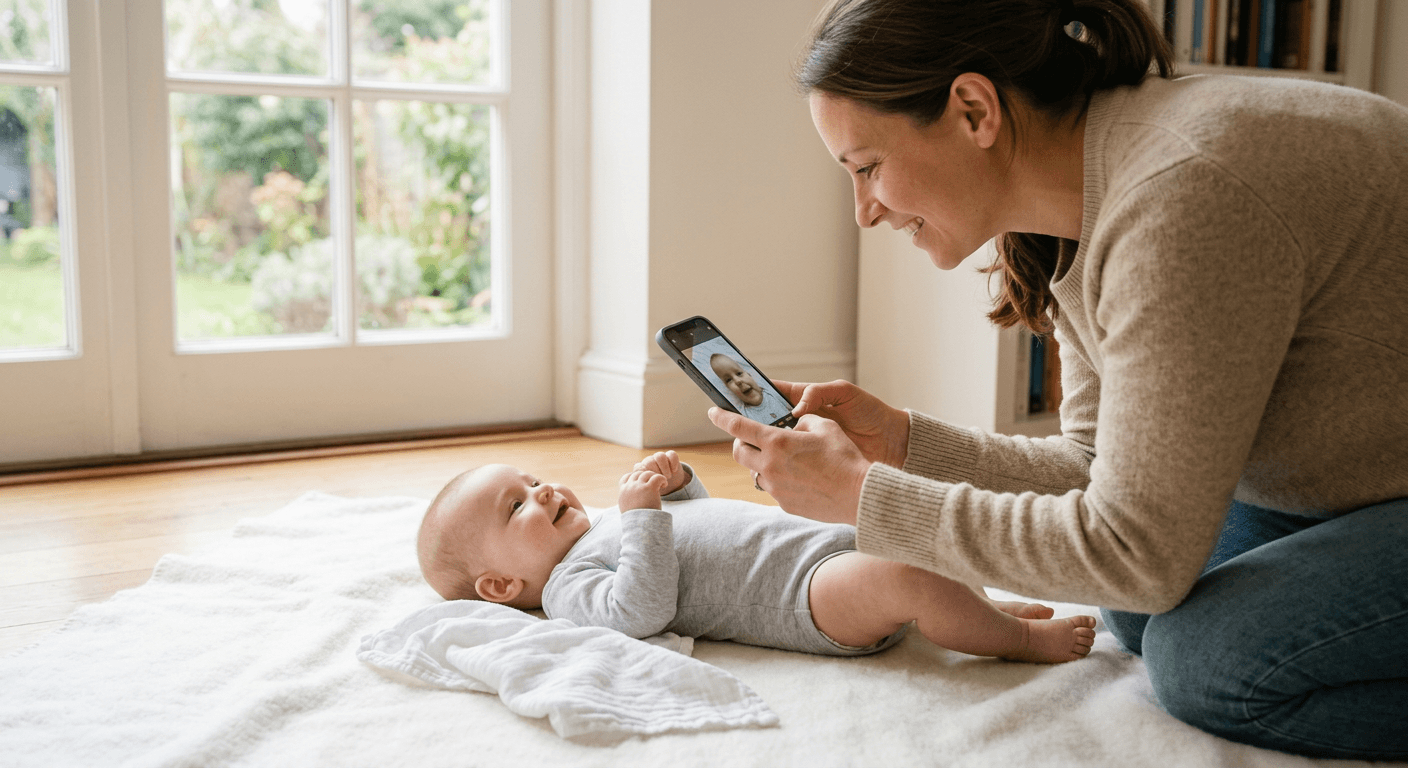
A parent stands at a retail counter on a Tuesday afternoon, trying to prop up a wriggling infant against a pull-down white screen. The clerk, trained to operate a register rather than a camera, attempts to capture a compliant image before the line grows longer. When the application is rejected weeks later for an improper background shadow, the applicant realizes that sourcing professional passport photos requires evaluating the specific compliance mechanisms behind the camera. Deciding who takes passport photos depends entirely on the applicant's age, the strictness of the destination country, and whether the workflow prioritizes immediate printing or biometric validation.
Quick Summary
Acquiring compliant biometric images requires choosing between in-store retail capture and home-based digital validation. Who takes passport pictures dictates the level of biometric scrutiny applied before printing, directly impacting the risk of application rejection.
- Retail pharmacies provide immediate physical prints but lack infant-friendly structural setups.
- Postal services integrate photo capture with application submission but require long lead times.
- Digital validation platforms calculate biometric proportions automatically but rely on the user for adequate lighting.
- The applicant's age and the destination country's dimensional rules should determine the exact capture environment.
Table of Contents
- The Compliance Check Matters More Than the Camera
- 1. CVS Photo
- 2. Walgreens Photo
- 3. FedEx Office
- 4. United States Postal Service
- 5. Passport Photo Online
- Environment and Urgency Dictate the Workflow
- Mismatched Capture Environments Lead to Rejection
- Recommended Reads
The Compliance Check Matters More Than the Camera
Government agencies reject images based on strict geometric and lighting failures, not the price of the lens used to take them. A professional photographer for passport photos adds value not through artistic composition, but through rigid adherence to lighting ratios and background uniformities. Assessing a professional studio for passport photo capture means evaluating how thoroughly the operator validates the image against biometric rules before handing over the print.
Many applicants assume the physical location guarantees compliance. In reality, retail counters and shipping centers use standard digital cameras against manual pull-down screens, relying entirely on the clerk's visual judgment to spot shadows, head tilt, or incorrect cropping. Digital services flip this workflow, using software to evaluate the head-to-chin measurements and extract the subject from the background computationally. The critical differentiator among these services is their capability to identify an out-of-bounds parameter before the file is locked and printed.
| Service | Mechanism | Pros | Cons | Target Audience |
|---|---|---|---|---|
| CVS Photo | In-store digital camera capture | Immediate physical prints | Manual visual validation | Adults needing fast prints |
| Walgreens Photo | Same-day retail processing | Accessible neighborhood locations | Lacks infant structural support | Routine domestic renewals |
| FedEx Office | Business center capture | Fast document processing | High-traffic environment | Business travelers |
| USPS | Appointment-based capture | Combined application submission | Severe scheduling delays | First-time adult applicants |
| Passport Photo Online | AI validation platform | Biometric dimensional cropping | Requires user lighting setup | Remote applicants, families |
1. CVS Photo
CVS Photo operates as an in-store retail service offering passport and ID photo capture alongside immediate physical printing. The service targets adult applicants who need standard domestic prints immediately and prefer a walk-in physical location over a scheduled studio appointment.
The fundamental mechanism relies on a point-and-shoot digital camera operated by retail staff. Behind the counter or in a designated aisle, a manual white screen is pulled down to serve as the required uniform background. The clerk physically maneuvers the applicant to stand at a specific distance, aiming to eliminate harsh shadows caused by the overhead fluorescent lighting typical of retail environments. Once captured, the image file is transferred directly to the store's commercial photo lab systems, which automatically crop the file to standard dimensions. The validation step is entirely manual. The employee visually inspects the preview monitor to verify the subject's head size, eye level, and background clarity before executing the print command. Because the hardware is standard retail photography equipment rather than specialized biometric software, the compliance check depends directly on the training and visual acuity of the on-shift staff member.
Retail speed requires in-store patience
This physical capture process works adequately for cooperative adult subjects who can follow posture instructions instantly, but it breaks down under the physical constraints of pediatric photography. The infrastructure consists of a flat wall and a camera, offering absolutely no support mechanisms for infants who cannot hold their own heads upright. When parents attempt to hold a baby in the frame, their hands or shadows inevitably enter the shot, triggering an automatic rejection by passport agencies. The service is fundamentally not designed to accommodate wriggling toddlers or newborns who require a horizontal setup. For parents evaluating a United States baby passport photo guide, the physical limitations of a pharmacy counter present an immediate, hard limit. Applicants with young children, or those requiring non-standard visa photo dimensions outside the basic US template, should bypass the pharmacy counter entirely and seek an environment equipped for custom dimensional cropping.
- Pros:
- Walk-in availability without prior appointment requirements.
- Prints are finalized and handed over on the same day.
- Accessible in most urban and suburban neighborhoods.
- Cons:
- Staff are retail generalists, not specialized compliance technicians.
- Overhead fluorescent lighting frequently introduces harsh facial shadows.
- Lacks the structural setup necessary for infant or newborn photography.
2. Walgreens Photo
Walgreens Photo is an in-store retail photo department providing same-day passport photo services for walk-in customers. It serves local residents who require physical biometric prints finalized quickly during a routine shopping trip.
The capture workflow mirrors standard retail photography practices, utilizing a dedicated camera positioned near the pharmacy's photo printing kiosk. The employee asks the applicant to stand against a retractable white backdrop while utilizing standard, un-modified camera flashes to illuminate the face. After snapping the picture, the staff member feeds the digital file into the store's proprietary photo processing terminal. This kiosk applies a standardized template mask over the image, allowing the clerk to scale the head to fit within the two printed guidelines on the screen. The printing is executed on high-quality photographic paper using commercial dye-sublimation printers, which prevents the ink smearing that can occur with consumer-grade inkjet hardware. The entire operational mechanism is optimized for rapid turnaround, moving the applicant from the backdrop to the checkout register in under twenty minutes.
Same-day printing limits validation depth
Relying on a static template overlay introduces a significant vulnerability when dealing with strict international biometric standards. The kiosk software provides a basic domestic sizing guide, but it does not actively analyze the image for nuanced compliance failures like uneven shoulder heights, slight head tilts, or reflective glare on the skin. The clerk visually confirms the crop, meaning the validation is subjective rather than algorithmic. This creates a high risk of subsequent application rejection if the clerk fails to notice a minor shadow cast behind the ears or a background that appears slightly gray rather than pure white. The service stops being effective the moment an applicant requires international dimensions, such as a 35 × 45 mm layout for European standards, as the kiosks are typically hard-coded to produce only standard templates. Travelers applying for foreign visas must secure a workflow that adapts precisely to their destination's specific millimeter requirements rather than relying on a rigid machine overlay.
- Pros:
- Dye-sublimation printers produce crisp, smudge-proof physical copies.
- Services are typically available during all standard store operating hours.
- Fast processing speeds allow for immediate application drop-offs.
- Cons:
- Validation depends entirely on subjective visual checks by the operator.
- Camera flashes frequently fail to eliminate deep background shadows.
- Kiosk templates cannot automatically adjust for international sizing requirements.
3. FedEx Office
FedEx Office operates as a retail chain of business and shipping centers providing professional passport photo services alongside document printing. This option caters directly to business travelers and adults who are already utilizing the facility for shipping or document preparation.
The physical setup involves a designated corner of the business center equipped with a digital camera and a permanent white screen. Unlike a pharmacy, the lighting in a business center is often optimized for document reading rather than portrait photography, requiring the associate to carefully manage the flash output. The employee guides the applicant into position, captures the shot, and processes the image using dedicated, on-site software that checks basic framing requirements. Because the facility is equipped with professional-grade document handling and photo printing hardware, the final images are produced at a high 300 DPI resolution on premium stock paper. The mechanism here is heavily integrated into the broader business service workflow, allowing a traveler to capture the image, print their application documents, and ship the entire packet via expedited courier from a single physical location.
Business center environments cater to adult applicants
The speed and convenience of a shipping hub come with significant environmental constraints. A busy printing and shipping center is inherently noisy and fast-paced, creating a highly distracting atmosphere that requires the applicant to focus and follow instructions rapidly. This environment is wholly incompatible with pediatric photography. Associates cannot halt a busy shipping queue to wait for a baby to open their eyes or face the camera directly. The service requires a subject who can independently maintain a neutral expression and perfectly still posture on command. Furthermore, because the staff's primary function is logistics and document production, they lack the specialized time required to troubleshoot complex lighting issues on the face. If the camera captures a shadow under the chin, the associate is likely to print the image if it fits the physical crop, pushing the burden of compliance risk back onto the applicant.
- Pros:
- Allows for capturing, printing, and shipping the application in one stop.
- High-end commercial printers ensure excellent image resolution.
- Staff are accustomed to handling sensitive travel documents efficiently.
- Cons:
- The fast-paced environment prevents careful troubleshooting of posture.
- Ambient store lighting frequently conflicts with standard camera flashes.
- Strictly unsuitable for infants, toddlers, or easily distracted subjects.
4. United States Postal Service
The United States Postal Service operates as the national postal service of the United States, providing passport photo services at select post office branches. This route is designed for applicants executing their first-time applications in person and seeking to consolidate their paperwork and photography tasks.
The capture mechanism is directly tied to the formal adjudication process. During a scheduled appointment, a sworn postal clerk uses a government-issued digital camera to take the applicant's photograph immediately before reviewing their identity documents. The setup is highly standardized, utilizing a stationary white backdrop and a fixed camera distance designed to meet federal standards. Because the clerk taking the photograph is the same official executing the application, the validation process is immediate and authoritative. If the clerk detects a compliance issue, such as improper head positioning or a prohibited facial expression, they simply retake the photograph on the spot before sealing the application envelope. This mechanism eliminates the transition period between capturing the photo and submitting the paperwork, effectively removing the risk of submitting an image the accepting facility deems non-compliant.
Convenience comes at the cost of scheduling control
Integrating the photography step into the application submission creates an extremely rigid operational bottleneck. Because the photo service is tied to the adjudication desk, applicants cannot simply walk in for a quick picture. The service mandates an advance appointment, and due to high regional demand, these slots can be booked out for weeks or even months. This structural delay makes the postal route entirely useless for anyone requiring expedited renewals or dealing with sudden international travel plans. Additionally, not every branch possesses the camera equipment; applicants must verify facility capabilities beforehand and travel to specific hubs. For applicants who merely need a compliant photo for a remote renewal or an electronic visa submission, booking a full adjudication appointment severely overcomplicates a simple requirement. Those facing urgent deadlines must bypass the postal desk and secure an independent digital file.
- Pros:
- Immediate verbal validation from the official processing the paperwork.
- Consolidates the photography and application submission into a single event.
- Standardized equipment guarantees the background meets federal specifications.
- Cons:
- Requires securing an appointment weeks in advance.
- Not available at all neighborhood branch locations.
- Provides no digital file for online renewals or electronic visa applications.
5. Passport Photo Online
Passport Photo Online functions as an online platform and mobile app for taking and verifying passport photos directly from home. This solution targets digital-first users, remote applicants, and families who require absolute control over the capture environment rather than relying on retail schedules.
The mechanism entirely replaces the physical studio with computational software. The user captures an image using their own smartphone camera, following on-screen alignment guides. Once uploaded, the platform deploys biometric algorithms to scan the facial structure, measuring the precise distance from the bottom of the chin to the top of the head to ensure it meets strict governmental ratios. Rather than relying on a physical white screen, the software automatically strips out the original background and replaces it with a pure white or digitally compliant color template. The system then automatically crops the file to the exact millimeter specifications required by the selected country, generating a high-resolution 300 DPI digital file ready for online submission or at-home printing. This algorithmic validation actively blocks the final output if it detects open mouths, closed eyes, or severe postural tilts, forcing a retake before the user proceeds.
Algorithmic validation outpaces human visual checks
While computational background removal eliminates the need for physical backdrops, the system remains entirely dependent on the user's initial lighting setup. The software cannot inject detail into areas plunged into deep shadow, nor can it remove severe glare reflecting off the skin or glasses. If a user stands directly under a harsh overhead light, casting black shadows beneath their nose, the algorithm will correctly identify the biometric markers but will ultimately produce a deeply flawed image that a human passport officer will reject. This limit requires the user to proactively construct a brightly, evenly lit environment, typically facing a large window during daylight hours. Applicants lacking a well-lit space, or those unwilling to troubleshoot their own ambient lighting conditions, will find the software unable to salvage a poorly illuminated source file.
- Pros:
- Algorithmic cropping guarantees exact head-to-chin ratio compliance.
- Eliminates the requirement for a physical white backdrop.
- Allows unlimited retakes, significantly reducing capture anxiety for parents.
- Cons:
- Deeply reliant on the user providing adequate, even natural lighting.
- Harsh shadows on the original file cannot be computationally repaired.
- Requires basic smartphone literacy and access to a modern device.
Environment and Urgency Dictate the Workflow
Evaluating who takes passport pictures effectively comes down to identifying your application's primary bottleneck. If your constraint is time and you require a physical print within the hour for a routine adult application, physical retail counters solve the problem efficiently. However, speed introduces manual compliance risks. A busy retail clerk's visual check is not a biometric guarantee.
The calculus changes entirely when dealing with infants or strict international specifications. A US and international baby passport photo requirements guide will emphasize exact head placement and strict background uniformity. Retail counters lack the horizontal infrastructure to support a baby safely, and their generic cropping templates fail when a foreign embassy demands a 35 × 45 mm dimension instead of the standard domestic size. In these specific scenarios, digital platforms that utilize algorithmic measurement offer far more reliability than a rushed human operator.
Mismatched Capture Environments Lead to Rejection
Different application scenarios demand completely different capture mechanisms. Choosing the wrong one directly increases your chance of a rejected application.
- If you are submitting your very first adult application and have weeks of lead time, schedule an appointment with the postal service to merge capture and submission.
- If you need an immediate physical print for a standard domestic renewal today, utilize a local retail pharmacy counter.
- If you are photographing an infant or require strict, non-standard international sizing, deploy a digital validation platform at home to ensure algorithmic compliance.