Understanding Passport Photo Requirements: A 2026 Guide
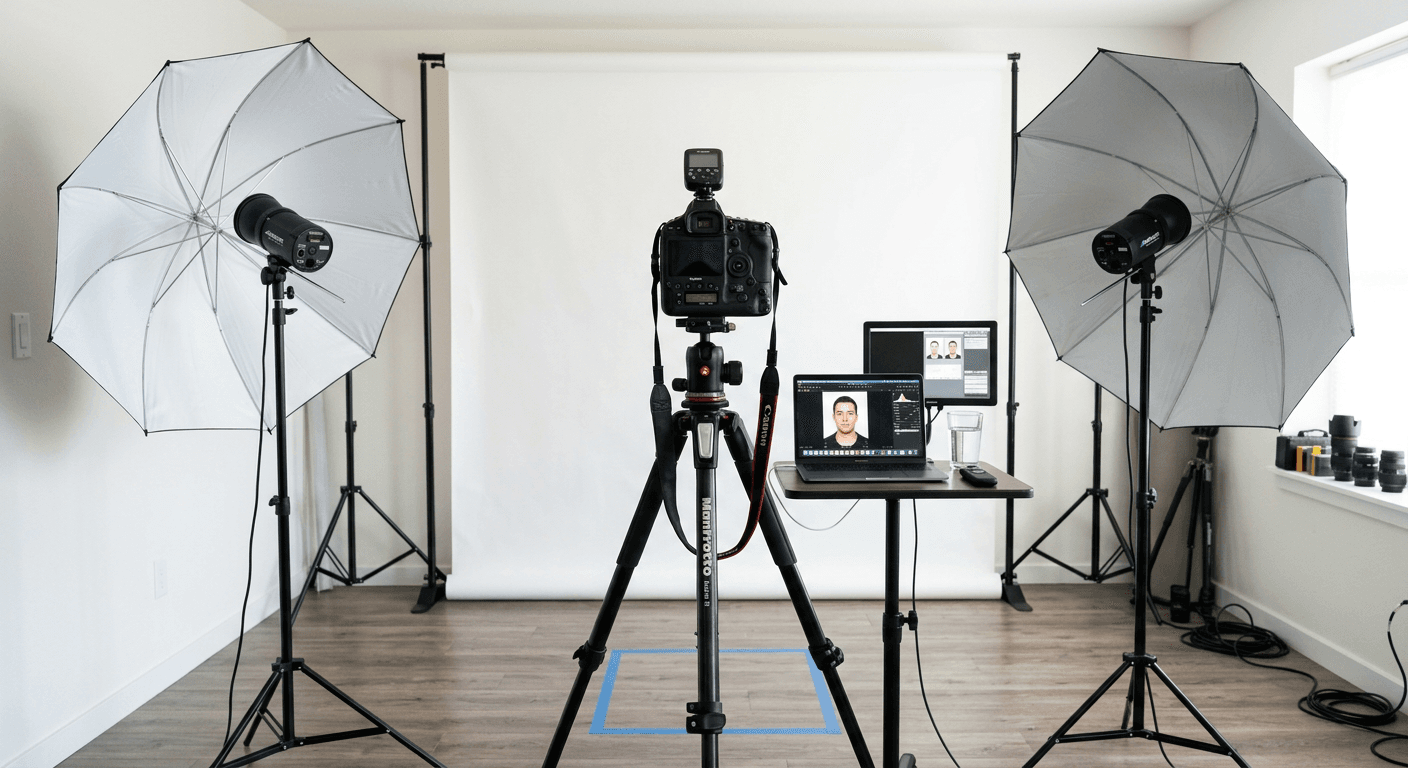
Trying to navigate the bureaucracy of international travel often feels like trying to solve a Rubik's cube in the dark. You have the flight, the hotel, and the itinerary, but then you hit the snag: the dreaded passport photo requirements. If you get the dimensions or the lighting wrong, your application ends up in the bin before you even get to the airport gate. It is, honestly, a total headache that nobody needs.
Quick Summary
Passport photo requirements are the specific set of government-mandated standards for size, lighting, facial expression, and image quality needed to verify your identity. Adhering to these strict rules ensures your travel document is processed without delays. Key takeaways include:
- Photos must be current and taken within the last six months.
- Neutral expressions are mandatory—no smiling allowed.
- Plain white or off-white backgrounds are universally required.
- Professional lighting is necessary to prevent shadows.
Table of Contents
- Quick Summary
- Passport Photo Requirements
- Passport Photo Rules
- Passport Photo Specifications
- Passport Photo Criteria
- Passport Photo Guidance
- Recommended Reads

Passport Photo Requirements
Let’s be real here. Governments don’t ask for these photos to be artistic portraits. They want biometric data. If you have ever wondered why you look like a tired convict in every passport photo, it’s because the criteria aren't designed for your "good side." They are designed for facial recognition software. When you start your passport photo guide exploration, remember that uniformity is the name of the game.
Passport Photo Rules
Rules change, and by 2026, the scrutiny on digital submissions has reached a fever pitch. You cannot simply crop a selfie and expect it to pass. The software used by passport agencies is ruthlessly efficient at spotting a DIY job that fails to meet basic contrast standards.
Lighting and Background
Lighting should be flat. If there is a shadow behind your ear or across your forehead, just stop. You are going to get rejected. You need a plain, bright background - usually white or a very light gray. Think of the background as a blank canvas where your face needs to be the only focal point. If you have a cluttered kitchen in the background, you're asking for trouble.
Facial Expression and Positioning
Keep your mouth closed. Seriously. This isn't the place for a toothy grin. Your eyes need to be open and visible. If you wear glasses, the rules have become even more stringent recently; in many jurisdictions, you are better off taking them off entirely to avoid glare. For those handling US baby passport photo needs, the process is even more of an art form, requiring precise handling of an uncooperative subject while maintaining these strict structural alignments.
Passport Photo Specifications
Dimensions matter. Most countries follow the 2x2 inch standard or the international 35x45 mm format. If you are off by even a few millimeters, the scanner will flag your image. It’s like trying to put a square peg in a round hole. Use a professional tool if you aren't sure how to handle these specific proportions. If you are preparing an Australian baby passport photo, the margin of error is virtually non-existent, so measure twice and capture once.
Passport Photo Criteria
Beyond dimensions, think about print quality. If you print at home, do not use matte paper if the instructions demand glossy. Low-quality ink creates pixelation, and that creates suspicion. The camera lens should be at eye level. If you are looking up or down, your facial landmarks shift, which causes the verification algorithms to error out. It’s all about maintaining a standard, neutral, and clear representation of your features.
Passport Photo Guidance
Honestly, I believe the best way to handle this is to treat it like a technical task, not a photo op. Don't worry about how you look; worry about how you measure up. Need help deciphering the fine print? You can always check the passport photo maker help section for common troubleshooting tips if your photo keeps getting flagged by automated checkers.